Home Decor Living Room Ideas for a Stylish, Cozy & Elegant Home
Home Decor Living Room Ideas for a Stylish, Cozy & Elegant Home
A living room is often the heart of a home. It is where family members relax, guests sit, and everyday moments happen. Good home decor living room ideas can make this space feel comfortable, welcoming, and beautiful without making it look crowded.
The best living rooms combine comfort with personal style. A soft sofa, a useful coffee table, warm lighting, attractive curtains, and a few carefully selected accessories can completely change the room. The goal is to create a space that looks polished while still feeling easy to live in.
Creating a Beautiful Home Decor Living Room


Start with the main pieces before adding decorative items. The sofa usually becomes the visual center of the room, so its size, shape, and color should work well with the available space.
Neutral shades such as cream, beige, soft gray, white, and warm brown create a calm background. You can then add character with cushions, artwork, rugs, plants, or colorful accessories.
For a richer look, combine different textures. A smooth coffee table can work with a soft rug, woven basket, velvet cushions, and linen curtains. These small differences make the room feel layered instead of flat.
Choosing the Right Living Room Layout


Furniture placement has a major effect on how a living room feels. Before buying new furniture, consider the room’s size, windows, doors, walkways, and natural focal points.
A large room can support a spacious sofa with two accent chairs. In a smaller room, a compact sofa and one comfortable chair may provide enough seating without blocking movement.
Keep enough space between furniture pieces so people can walk around easily. The coffee table should also sit at a comfortable distance from the sofa. A well-planned layout makes even a simple room feel organized.
If your living room connects with a dining area or kitchen, use furniture placement and rugs to visually separate each zone while keeping the overall design connected.
Comfortable Sofa and Seating Ideas


Comfort should always be part of your home decor living room plan. A beautiful sofa is useful only when it also provides comfortable seating for everyday life.
For a soft and welcoming appearance, consider rounded furniture with gentle curves. A curved sofa or rounded accent chair can make a room feel more relaxed. Straight-lined furniture works well when you prefer a clean and structured appearance.
Add cushions in different sizes to create depth. You can mix plain cushions with subtle patterns, textured fabrics, or small decorative details. A soft throw placed over the corner of the sofa can also make the space feel warmer.
When selecting seating, think about your household and how the room is normally used. A family living room may need deeper seating, while a formal sitting area may benefit from elegant chairs and a more structured sofa.
Choosing a Living Room Color Scheme


Color sets the mood of a living room. Soft neutral colors create a peaceful atmosphere, while deeper shades can add drama and character.
Cream and beige are popular because they make a room feel bright and timeless. Blue can introduce a calm and fresh feeling, while green works beautifully with natural materials and indoor plants.
You do not need many colors to create an attractive room. A simple three-color approach can work well. Use one main color for larger furniture and walls, a second color for textiles, and a third shade for small accents.
For example, cream walls with a soft blue sofa, light wood furniture, and small floral accents can create a fresh and elegant setting. Another option is warm beige with brown furniture and muted green accessories for a more natural look.
Adding Personality Without Creating Clutter


Accessories give your home decor living room its personality. However, adding too many decorative pieces can make the room look busy.
Instead, focus on a few items that have visual value. A large piece of wall art can create more impact than several small frames. A decorative vase, a coffee-table book, a sculptural object, or a beautiful plant can add interest without taking over the space.
Open shelves can also display books, small artwork, ceramics, and plants. Leave some empty space between objects so the shelves remain visually balanced.
Plants are especially useful because they introduce natural color and texture. Choose plants according to the amount of sunlight your room receives and place them where they can grow comfortably.
Creating a Warm and Welcoming Atmosphere


The final goal of home decor living room styling is not simply to create a room that looks attractive in photographs. It should feel comfortable when you actually spend time there.
Soft textiles, comfortable seating, natural materials, and warm lighting can help create this feeling. Curtains can soften large windows, while a rug can visually bring furniture together.
Keep the room practical as well. Leave clear paths around the furniture and make sure frequently used items are easy to reach. When beauty and function work together, the living room becomes a space that feels natural and inviting.
A well-designed living room does not need expensive furniture or excessive decoration. With the right layout, balanced colors, comfortable seating, and thoughtful accessories, you can create a space that feels stylish while still reflecting the character of your home.
Stylish Wall Decor Ideas for a Home Decor Living Room
The walls can completely change the look of a living room. Empty walls may make the space feel unfinished, while carefully selected artwork, mirrors, shelves, and decorative panels can give the room a more complete appearance. Good home decor living room styling uses wall space to add personality without making the room feel crowded.
Elegant Living Room Wall Decor


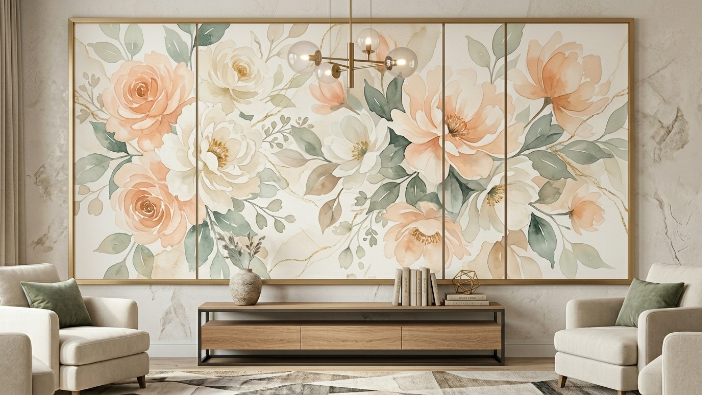
A large artwork piece above the sofa can become the main feature of the room. Abstract paintings, botanical artwork, soft landscapes, and simple geometric designs all work well with different interior styles.
When selecting artwork, consider the colors already present in the room. A painting that repeats one or two shades from the cushions, rug, or curtains can make the entire design feel connected.
For a calm appearance, use artwork with soft beige, cream, blue, green, or earthy tones. If the furniture is simple, stronger artwork can introduce a beautiful focal point.
Creating an Attractive Accent Wall


An accent wall can add depth to a home decor living room without requiring major changes throughout the space. The wall behind the sofa or television is often a natural place for this feature.
Wood panels create warmth and texture, while fluted panels offer a clean architectural detail. Wallpaper can introduce patterns, botanical designs, soft textures, or subtle color.
If the room already contains several decorative elements, keep the accent wall simple. A textured beige wall with minimal furniture can look more sophisticated than a heavily decorated wall.
For smaller living rooms, lighter accent colors can help maintain an open feeling. Darker feature walls can work beautifully in larger spaces where you want more visual depth.
Using Mirrors to Make the Room Feel Brighter


Mirrors are both decorative and practical. A large mirror can reflect natural light and make a living room feel more open.
Place a mirror opposite or near a window when possible so it can reflect daylight. A large round mirror creates a softer appearance, while rectangular or arched mirrors can give the room a more structured look.
The frame also matters. A simple black frame suits contemporary interiors, a wood frame adds warmth, and a metallic frame can introduce an elegant accent.
Avoid placing too many mirrors around the room. One well-positioned mirror often creates more impact than several small pieces.
Decorating Open Shelves


Open shelving provides another opportunity to improve your home decor living room. Shelves can display books, plants, vases, framed artwork, candles, and small decorative objects.
The key is balance. Do not fill every shelf completely. Leave some open areas between objects to create a cleaner appearance.
Try combining objects of different heights. A tall vase can sit beside smaller books, while a plant can soften a group of harder materials. You can also place some books horizontally instead of keeping every book upright.
Built-in shelves can become an important feature in a larger living room. They can surround a television, fireplace, or artwork while also providing useful storage.
Creating a Gallery Wall


A gallery wall is a great way to make a living room feel personal. Instead of using one large artwork, you can combine several photographs, paintings, prints, and decorative frames.
For a coordinated appearance, use frames that share a similar finish. Black, white, wood, and metallic frames can each create a different mood.
Before hanging the pieces, arrange them on the floor to test the layout. Keep similar spacing between the frames so the display looks intentional.
You can also create a themed gallery using botanical prints, travel photography, abstract artwork, or family photographs. This allows the wall decor to tell a story while adding character to the room.
Adding Decorative Details to the Walls


Small wall details can complete the design. Decorative sconces, floating shelves, small artwork, textured panels, and carefully placed objects can add layers without overwhelming the space.
Wall sconces are especially useful because they provide both decoration and additional lighting. Place them beside artwork, mirrors, or important architectural features.
Remember to keep the wall decor connected to the rest of the room. If the furniture has soft blue accents, small blue details in the artwork or accessories can create visual continuity.
A successful home decor living room does not need every wall to be decorated. Leaving some walls simple gives the eye a place to rest and helps the important features stand out.
With the right combination of artwork, mirrors, accent walls, shelves, and personal details, your living room walls can become an important part of the overall design rather than simply empty background space.
Rugs, Curtains and Furniture Details for a Home Decor Living Room
The smaller details can make a big difference in a living room. Once the main furniture is in place, rugs, curtains, coffee tables, cushions, and decorative accessories can bring the entire space together. These elements add comfort, texture, and personality while making the home decor living room feel complete.
Choosing the Right Living Room Rug


A rug can visually connect the seating area and make a room feel warmer. It also adds softness underfoot and can introduce another layer of color and texture.
For a balanced layout, the rug should be large enough to sit beneath at least the front legs of the main seating. In a larger room, placing the entire seating arrangement on the rug can create a stronger sense of unity.
Neutral rugs work well when the furniture already has bold colors. Cream, beige, gray, and soft brown can provide a calm foundation. If the furniture is simple, a subtle geometric or botanical pattern can add more character.
Consider the practical side as well. A busy family living room may benefit from a durable, easy-to-clean rug, while a formal sitting area can use more delicate textures.
Stylish Curtains for a Finished Look


Curtains can change the entire appearance of a home decor living room. They soften windows, add privacy, and help frame the room.
Floor-length curtains often create a more polished appearance. Hanging the curtain rod slightly above the window can also make the ceiling appear taller.
Sheer curtains allow natural light to enter while giving the room a soft appearance. They can be paired with heavier curtains when you need more privacy or light control.
For a timeless design, select curtains that complement the main color palette. Beige, cream, soft gray, muted blue, and earthy shades can blend easily with many furniture styles.
Selecting the Right Coffee Table


The coffee table is both a functional and decorative part of the living room. It should provide enough surface space while leaving comfortable room for movement.
Round coffee tables work especially well with curved sofas and smaller seating areas because they have softer edges. Rectangular tables can suit larger sofas and longer rooms.
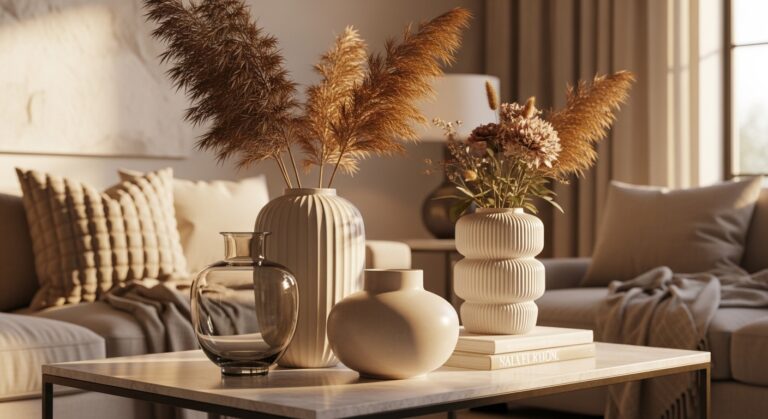
Wood creates warmth, marble adds a refined appearance, and glass can help a smaller room feel visually lighter.
Keep the table useful rather than overcrowded. A small vase, coffee-table book, tray, or decorative object may be enough to create an attractive arrangement.
Adding Cushions and Throws


7
Cushions and throws are simple ways to refresh your home decor living room without replacing major furniture.
Use different textures to create visual depth. Velvet, linen, cotton, knitted fabrics, and woven materials can work together when their colors remain connected.
For example, a cream sofa can be styled with soft blue cushions, textured beige pillows, and a light throw. This creates contrast while keeping the overall room peaceful.
Avoid using too many patterns at once. If one cushion has a strong pattern, balance it with several plain or lightly textured cushions.
Throws can be folded over an armchair or placed casually across the corner of a sofa. Besides adding style, they make the seating area feel more comfortable.
Choosing Side Tables and Accent Furniture


Side tables provide convenient places for lamps, books, drinks, and decorative pieces. They can also help fill empty spaces beside sofas and chairs.
Choose tables that match the scale of the furniture. A very small table beside a large sofa may look unbalanced, while oversized furniture can make a compact room feel crowded.
Mixing materials can create a layered look. A wooden side table beside a fabric sofa adds warmth, while a metal table can introduce a subtle elegant detail.
When space is limited, nesting tables are useful because they can be separated when needed and grouped together when you want more open floor space.
Bringing Everything Together


The strongest home decor living room designs feel connected from one element to another. The rug should work with the sofa, curtains should complement the wall color, and cushions can repeat small shades found elsewhere in the room.
This does not mean everything needs to match perfectly. Instead, create relationships between colors, textures, and materials.
For example, a cream sofa can connect with a beige rug, while blue cushions can echo the color of artwork or curtains. Wooden furniture can then introduce warmth and prevent the space from feeling too cold.
The final result should feel comfortable, balanced, and natural. When rugs, curtains, tables, cushions, and furniture work together, even a simple living room can develop a polished and welcoming appearance.
: Beautiful Lighting Ideas for a Home Decor Living Room
Lighting can completely change the mood of a living room. The right combination of natural light, ceiling fixtures, floor lamps, table lamps, and decorative lighting can make the space feel warm and inviting. Good lighting should also support the way you use the room throughout the day.
Layering Different Types of Lighting


8
A successful home decor living room usually needs more than one light source. Instead of depending only on a central ceiling fixture, combine several types of lighting.
Ambient lighting provides general brightness throughout the room. Ceiling fixtures, recessed lights, and chandeliers can provide this main layer.
Task lighting is useful for activities such as reading. A floor lamp beside an armchair or a table lamp near a sofa can provide focused illumination.
Accent lighting highlights special features. Wall lights can draw attention to artwork, shelves, architectural details, or decorative objects.
Using these layers gives you more control over the room’s atmosphere.
Elegant Ceiling Lights


7
The ceiling fixture often becomes an important decorative feature. A chandelier can create an elegant focal point in a spacious room, while a pendant light can add character above a seating area.
For rooms with lower ceilings, select a fixture that does not hang too low. Slim ceiling lights and compact flush-mount fixtures can provide good illumination without making the room feel smaller.
The finish should also complement the furniture and accessories. Black fixtures can add contrast, metallic details can create a refined appearance, and simple white fixtures can blend into the ceiling.
The light should look attractive during the day and provide comfortable illumination at night.
Floor Lamps for Cozy Corners


7
A floor lamp can turn an unused corner into a comfortable reading or relaxing area. Place one beside an accent chair, sofa, or small side table.
Arched floor lamps work well beside sofas because their curved arms can extend over the seating area. Slim standing lamps are useful when floor space is limited.
Choose a shade that directs comfortable light without creating harsh glare. A warm-toned bulb can make fabrics and wood surfaces appear softer in the evening.
A floor lamp can also serve as a decorative feature, so its shape and finish should work with the overall home decor living room style.
Table Lamps for Soft Evening Light


7
Table lamps provide a smaller and softer source of light. Place one on a side table, console table, or cabinet where it can be easily reached.
Ceramic lamps can add texture, while glass lamps create a lighter appearance. Metallic bases can bring a subtle decorative accent to the room.
If you have matching side tables on both sides of a sofa, matching lamps can create symmetry. For a more relaxed interior, different lamps can work together when they share similar colors or proportions.
Avoid placing lamps where their cords create a walking hazard. Practical placement is just as important as appearance.
Using Wall Lights and Accent Lighting


7
Wall lighting can add depth to a home decor living room while highlighting specific features.
Sconces placed beside artwork can make the wall more interesting. Picture lights can focus attention on paintings or framed photographs. Small wall fixtures can also work beside a fireplace, mirror, or built-in shelving.
Accent lighting should not overpower the main lighting. Its purpose is to create visual interest and highlight selected areas.
For a calm evening atmosphere, use accent lights together with table and floor lamps rather than turning on every bright ceiling light.
Making Natural Light Part of the Design


8
Natural light is one of the most valuable features in a living room. Large windows can make the room feel spacious and connect the interior with the outdoors.
Keep windows as clear as possible so daylight can reach deeper into the room. Sheer curtains allow light to pass through while providing privacy, while heavier curtains can be used when you need more shade.
Mirrors can also help distribute daylight by reflecting light across the room. Light-colored walls and furniture can make the available daylight feel even stronger.
During the evening, switch from bright general lighting to softer lamps and accent lights. This simple change can make the same room feel completely different.
A thoughtful lighting plan brings every part of your home decor living room together. With layered lighting, comfortable brightness, decorative fixtures, and natural daylight, the room can remain practical during the day and warm and relaxing at night.
Beautiful Lighting Ideas for a Home Decor Living Room
Lighting can completely change the mood of a living room. The right combination of natural light, ceiling fixtures, floor lamps, table lamps, and decorative lighting can make the space feel warm and inviting. Good lighting should also support the way you use the room throughout the day.
Layering Different Types of Lighting
8
A successful home decor living room usually needs more than one light source. Instead of depending only on a central ceiling fixture, combine several types of lighting.
Ambient lighting provides general brightness throughout the room. Ceiling fixtures, recessed lights, and chandeliers can provide this main layer.
Task lighting is useful for activities such as reading. A floor lamp beside an armchair or a table lamp near a sofa can provide focused illumination.
Accent lighting highlights special features. Wall lights can draw attention to artwork, shelves, architectural details, or decorative objects.
Using these layers gives you more control over the room’s atmosphere.
Elegant Ceiling Lights
The ceiling fixture often becomes an important decorative feature. A chandelier can create an elegant focal point in a spacious room, while a pendant light can add character above a seating area.
For rooms with lower ceilings, select a fixture that does not hang too low. Slim ceiling lights and compact flush-mount fixtures can provide good illumination without making the room feel smaller.
The finish should also complement the furniture and accessories. Black fixtures can add contrast, metallic details can create a refined appearance, and simple white fixtures can blend into the ceiling.
The light should look attractive during the day and provide comfortable illumination at night.
Floor Lamps for Cozy Corners
A floor lamp can turn an unused corner into a comfortable reading or relaxing area. Place one beside an accent chair, sofa, or small side table.
Arched floor lamps work well beside sofas because their curved arms can extend over the seating area. Slim standing lamps are useful when floor space is limited.
Choose a shade that directs comfortable light without creating harsh glare. A warm-toned bulb can make fabrics and wood surfaces appear softer in the evening.
A floor lamp can also serve as a decorative feature, so its shape and finish should work with the overall home decor living room style.
Table Lamps for Soft Evening Light
Table lamps provide a smaller and softer source of light. Place one on a side table, console table, or cabinet where it can be easily reached.
Ceramic lamps can add texture, while glass lamps create a lighter appearance. Metallic bases can bring a subtle decorative accent to the room.
If you have matching side tables on both sides of a sofa, matching lamps can create symmetry. For a more relaxed interior, different lamps can work together when they share similar colors or proportions.
Avoid placing lamps where their cords create a walking hazard. Practical placement is just as important as appearance.
Using Wall Lights and Accent Lighting
Wall lighting can add depth to a home decor living room while highlighting specific features.
Sconces placed beside artwork can make the wall more interesting. Picture lights can focus attention on paintings or framed photographs. Small wall fixtures can also work beside a fireplace, mirror, or built-in shelving.
Accent lighting should not overpower the main lighting. Its purpose is to create visual interest and highlight selected areas.
For a calm evening atmosphere, use accent lights together with table and floor lamps rather than turning on every bright ceiling light.
Making Natural Light Part of the Design
Natural light is one of the most valuable features in a living room. Large windows can make the room feel spacious and connect the interior with the outdoors.
Keep windows as clear as possible so daylight can reach deeper into the room. Sheer curtains allow light to pass through while providing privacy, while heavier curtains can be used when you need more shade.
Mirrors can also help distribute daylight by reflecting light across the room. Light-colored walls and furniture can make the available daylight feel even stronger.
During the evening, switch from bright general lighting to softer lamps and accent lights. This simple change can make the same room feel completely different.
A thoughtful lighting plan brings every part of your home decor living room together. With layered lighting, comfortable brightness, decorative fixtures, and natural daylight, the room can remain practical during the day and warm and relaxing at night.
Small, Cozy and Elegant Home Decor Living Room Ideas
Not every living room has a large floor plan. A smaller space can still look beautiful, comfortable, and well organized when every piece of furniture has a clear purpose. The right colors, furniture sizes, storage solutions, and decorative details can make a compact home decor living room feel open and welcoming.
Making a Small Living Room Feel Spacious


Start by keeping the main furniture proportional to the room. An oversized sofa can quickly make a small space feel crowded. A compact sofa with a slim profile can provide comfortable seating while leaving more floor area visible.
Light colors can also help create an airy appearance. Cream, beige, soft gray, and warm white reflect light and make the room feel more open.
Use furniture with visible legs when possible. Sofas, chairs, and tables raised slightly from the floor allow more of the flooring to remain visible, which can make the room feel less heavy.
A large mirror can also create the impression of additional space. Place it where it can reflect a window, artwork, or an attractive part of the room.
Choosing Furniture for a Compact Space


Furniture should support the way you use the room without blocking movement. A compact sofa, slim accent chair, and small coffee table may be all you need.
Consider multifunctional pieces when space is limited. An ottoman can provide extra seating while also working as a footrest or coffee-table surface. A storage bench can provide seating and hidden storage at the same time.
Avoid filling every empty corner. Open areas help the room breathe and make movement easier.
In a larger living room, the opposite approach can work. A sectional sofa, several chairs, and a larger coffee table can create a comfortable social area while maintaining clear walking paths.
Creating a Luxury Look With Simple Details


A sophisticated home decor living room does not need to be filled with expensive-looking objects. A few carefully selected details can create a polished appearance.
Try combining high-quality textures such as velvet, linen, wood, stone, and metal. A marble-style coffee table, textured rug, elegant curtains, and a few refined accessories can add visual richness.
Metallic accents can also create a subtle statement. Small gold, brass, or black details on lamps, tables, frames, and decorative objects can connect different areas of the room.
Keep the arrangement balanced. Too many decorative objects can reduce the refined feeling you are trying to create.
Creating a Cozy and Relaxing Atmosphere


Comfort should remain at the center of every home decor living room. Even an elegant room should feel easy to use every day.
Soft cushions, warm rugs, comfortable seating, and layered curtains can make the room more inviting. Natural materials such as wood, woven baskets, cotton, and linen can also create a relaxed atmosphere.
Plants are another simple way to add life. A tall plant can fill an empty corner, while smaller plants can decorate shelves or side tables.
Keep everyday items within easy reach. A small basket near the sofa can hold blankets or magazines, while a side table can provide space for drinks and books.
Smart Storage for Living Rooms


Storage helps maintain a clean and attractive room. Clutter can quickly make even a beautiful interior feel uncomfortable.
Built-in shelving can provide space for books and decorative pieces while using vertical wall space. Closed cabinets are useful for items that you do not want to display.
Storage ottomans are particularly useful in smaller rooms because they can serve several purposes. Baskets can also keep blankets, toys, magazines, and other everyday items organized.
Try to give frequently used items a permanent place. This makes daily cleaning easier and keeps the home decor living room looking organized.
Keeping the Design Balanced


Balance is one of the most important parts of successful living room design. Furniture, artwork, lighting, rugs, and accessories should feel connected rather than competing for attention.
If your sofa is large and visually strong, keep nearby accessories simpler. If the furniture is neutral, artwork or cushions can provide more visual interest.
Repeat colors throughout the room to create a natural connection. For example, a soft blue shade can appear in cushions, artwork, curtains, or a decorative vase.
The same idea works with materials. Wood furniture can be repeated through picture frames or shelves, while woven textures can appear in baskets and rugs.
A beautiful living room should feel comfortable first and decorative second. Whether your space is small, spacious, simple, or sophisticated, thoughtful furniture placement and carefully selected details can create a room that feels both practical and inviting.
Final Styling Touches for a Beautiful Home Decor Living Room
The final details are what make a living room feel complete. After arranging the furniture, selecting the colors, adding rugs, curtains, lighting, and storage, a few thoughtful decorative touches can bring everything together. A successful home decor living room should look beautiful while remaining comfortable and practical for everyday life.
Adding Personal Decorative Details


Personal items can make the room feel like your own. Family photographs, favorite books, travel memories, artwork, and meaningful decorative pieces can add character without requiring major changes.
Display these items carefully instead of filling every available surface. A few meaningful pieces usually create more impact than a large collection of unrelated decorations.
Books can sit on a coffee table or open shelf. A favorite vase can become a small focal point, while framed photographs can bring warmth to a console table or gallery wall.
Seasonal Living Room Updates


You do not need to redesign your entire home decor living room every season. Small changes can create a fresh appearance.
During warmer months, lighter cushions, fresh flowers, natural fabrics, and brighter accessories can make the room feel fresh. During colder months, thicker throws, textured cushions, warm rugs, and deeper accent colors can create a comfortable atmosphere.
Seasonal decorating works best when the main furniture and wall colors remain consistent. Simply changing textiles and smaller accessories can refresh the room without creating unnecessary expense.
Creating a Strong Focal Point


Every living room benefits from a clear focal point. This could be a fireplace, large artwork, feature wall, beautiful window, television wall, or statement light fixture.
Arrange the furniture so that the main seating naturally relates to this feature. Avoid creating several competing focal points because this can make the room feel visually confusing.
A large piece of artwork above the sofa can work well in a simple room. In another space, a textured feature wall or fireplace may naturally become the center of attention.
Avoiding Common Living Room Decorating Mistakes


One common mistake is choosing furniture that is too large for the available space. Always consider measurements before purchasing major pieces.
Another problem is placing too many accessories in one area. Decorations need breathing room so each item can be seen.
Poor lighting can also affect the entire room. Relying on a single bright ceiling light may make the space feel harsh. Layered lighting creates a more comfortable result.
Avoid matching every item too closely. A room where the sofa, curtains, rug, cushions, and accessories all look exactly the same can feel flat. Instead, use related colors and different textures.
Finally, do not ignore functionality. A living room should have enough seating, useful surfaces, comfortable walking paths, and practical storage.
Keeping Your Living Room Organized


A beautiful home decor living room is easier to enjoy when it stays organized. Make simple storage part of the design instead of trying to hide clutter at the last minute.
Use baskets for blankets and magazines, cabinets for less attractive everyday items, and trays for small objects on coffee tables.
Take a few minutes each day to return items to their proper places. Regular organization prevents clutter from building up and keeps the room looking polished.
Keep decorative surfaces relatively clear. A clean coffee table or console allows the selected accessories to stand out.
Final Touches for a Beautiful Home Decor Living Room


Creating a beautiful home decor living room is about finding the right balance between style, comfort, and everyday function. You do not need a huge budget or a large space to create an attractive interior.
Start with a practical furniture layout, then build the room with a comfortable sofa, suitable rug, beautiful curtains, useful tables, layered lighting, and carefully selected accessories. Use artwork, plants, mirrors, and personal details to give the space character.
Keep colors connected throughout the room while allowing different textures and materials to add depth. Most importantly, make sure the room works for the people who use it every day.
A successful living room should welcome you when you enter, provide comfort when you relax, and still look polished when guests arrive. With thoughtful planning and simple decorating decisions, your home decor living room can become one of the most beautiful and enjoyable spaces in your home.
Conclusion
The best living rooms are not simply decorated with attractive furniture. They tell a story through color, texture, lighting, artwork, and personal details. Whether you prefer a soft neutral interior, a colorful space, a cozy family room, or an elegant design, the same principles can help create a balanced result.
Focus on comfort first, keep the layout practical, use decoration with purpose, and leave enough open space for the room to breathe. These simple ideas can help you create a living room that feels stylish today and remains welcoming for years to come.
Architectural Digest – Living Room Design Ideas
Ye Architectural Digest ka living room design resource hai, jisme living room layouts, furniture, colors, artwork aur decorating ideas cover ki gayi hain.
For more inspiration on furniture layouts, color palettes, artwork, and elegant living room styling, explore the living room design ideas from Architectural Digest.